10 Hidden Gems in New York: Places No Guidebook Will Show You
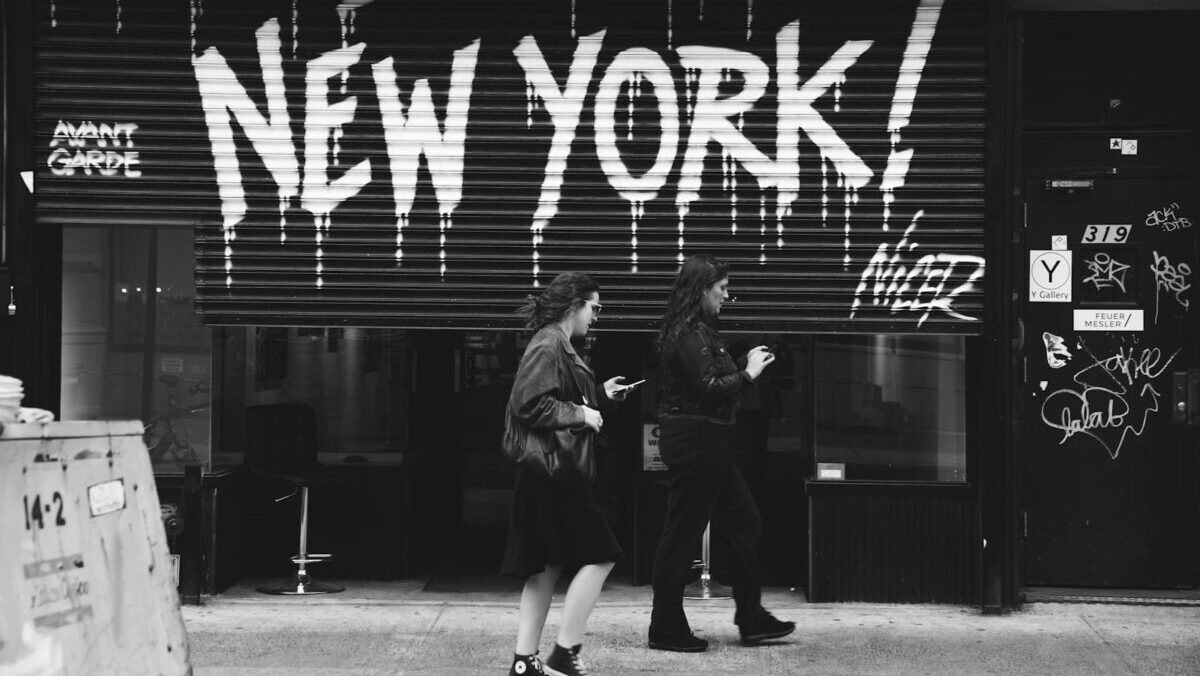
It’s just past eight in the morning. Coffee steams on the counter, the subway rumbles beneath the asphalt, and somewhere in Midtown the city is gearing up for another day that never really ends. You know the picture: Times Square, Empire State Building, Central Park. You’ve seen it a hundred times on Instagram before you even booked your flight.
But New York is not a backdrop. New York is a living organism that breathes, shifts, and reveals its true treasures only to those willing to turn down a side street, push open an unmarked door, or simply ride the subway one stop further than everyone else.
If you want to truly understand this city, you have to dig deeper. Behind the glossy surface lies a New York that is quieter, more surprising, more real. A New York that whispers from a forgotten subway arch and smells of damp earth in a SoHo apartment. A New York you will see in an entirely different light after reading this list.
Here are ten hidden gems in New York that will turn your trip from a good vacation into an unforgettable experience.
1. the whispering gallery in Grand Central Terminal
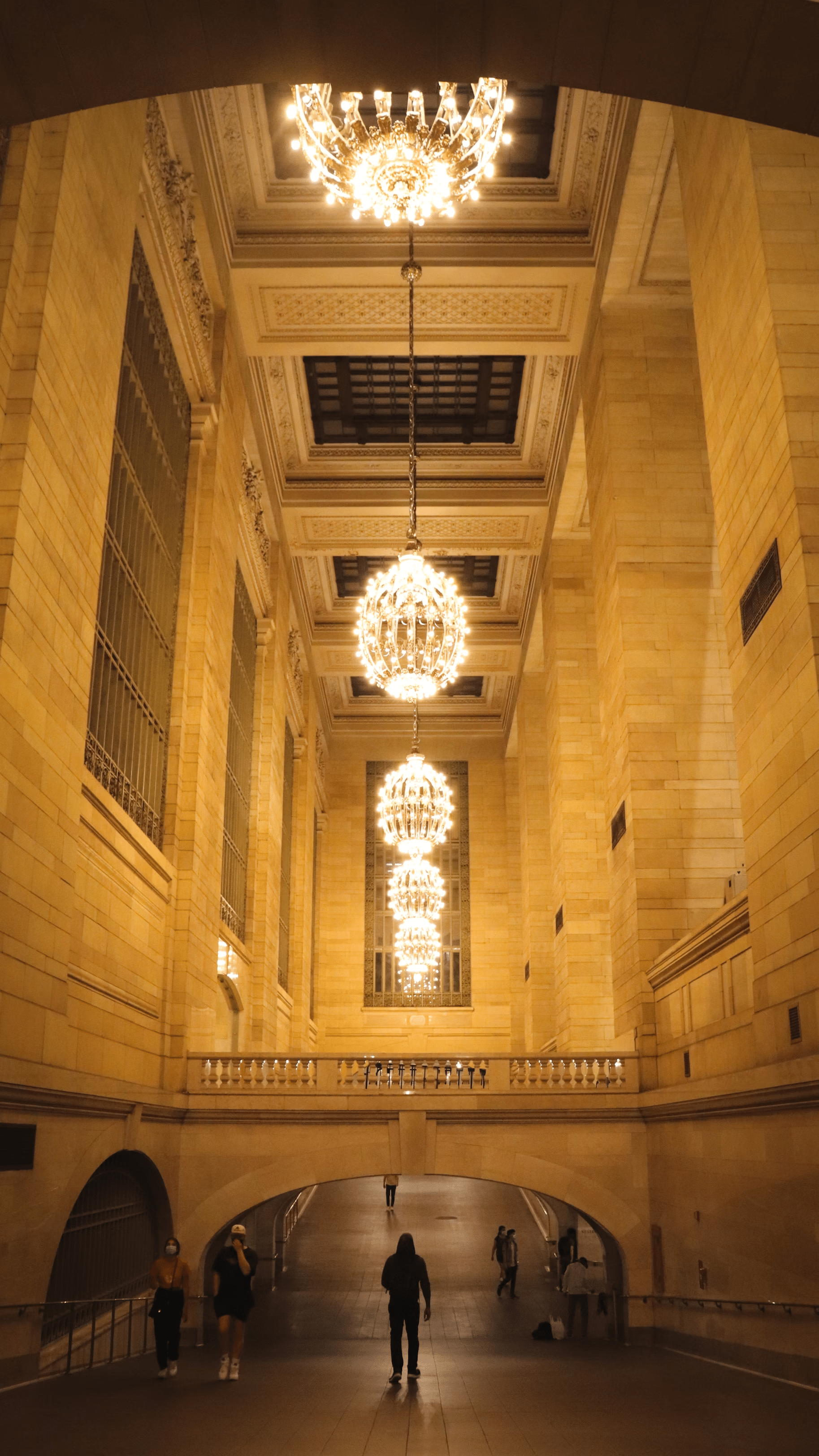
Grand Central Terminal needs no introduction. But most visitors rush through the golden Main Concourse, glance up at the celestial ceiling, and disappear. What they miss is one of the strangest acoustic phenomena in the entire city, tucked just around the corner.
In the vaulted passageway near the Oyster Bar, directly below the Main Concourse, there are four corners. Stand in one, send your travel companion to the corner diagonally across, and whisper something against the wall. Your words will travel along the curve of the dome and land, crystal clear, in the other person’s ear, even with ten feet of bustling city between you.
The physics are straightforward: the curved surface channels sound waves along its contour. The experience itself is anything but ordinary.
Practical tip: Visit the terminal early in the morning before the commuter rush builds. The acoustics work just as well, the atmosphere is more magical, and you’ll nearly have the hall to yourself.
Address: 89 East 42nd Street, New York, NY 10017
2. The Morgan Library & Museum
J.P. Morgan was a man of taste, eccentric wealth, and a remarkable fondness for books. His private library, now open to the public as a museum, ranks among the most impressive rooms Manhattan has to offer. Three stories of floor-to-ceiling mahogany bookshelves, a ceiling that recalls a Florentine chapel, and display cases holding, among other treasures, a handwritten Mozart score and the only surviving manuscript of John Milton’s Paradise Lost.
It is one of those places where you instinctively lower your voice. Not because you have to, but because it simply feels right.
Interesting fact: Morgan commissioned the library between 1902 and 1906. Architect Charles McKim used limestone blocks set without mortar, a technique borrowed from antiquity. The walls have held together through sheer weight ever since.
Practical tip: Regular admission runs around $22. On Fridays after 5 p.m., entry is free. The museum’s Dining Room Bar serves one of the best afternoon teas in the city.
Address: 225 Madison Avenue, New York, NY 10016
3. Please Don’t Tell: The City’s Most Secret Bar
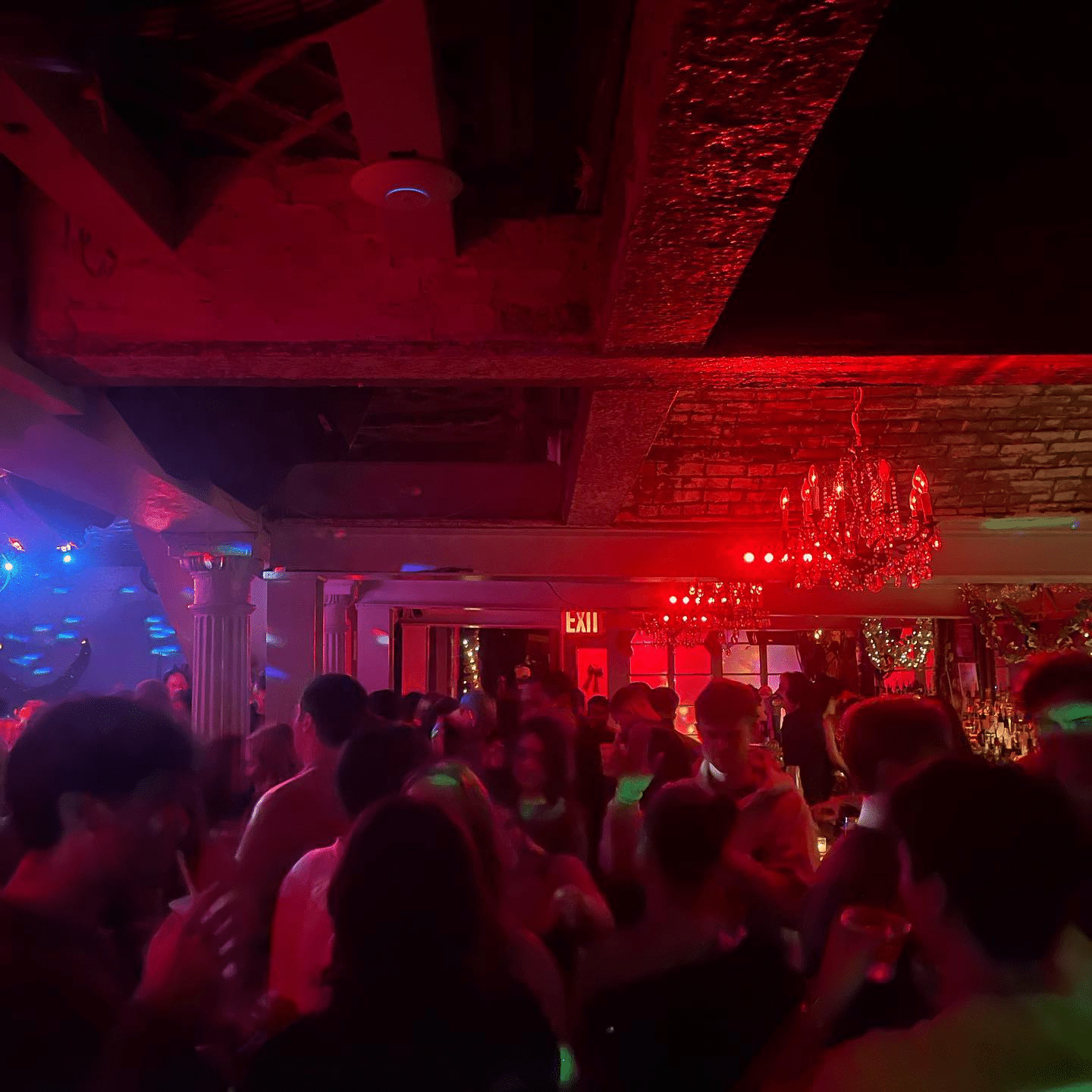
Behind a vintage phone booth tucked inside the entrance of a hot dog joint called Crif Dogs on St. Marks Place sits one of the most coveted cocktail bars in Manhattan. The concept is absurdly simple: you walk in, step into the phone booth, dial a number, and if luck is on your side, a hidden door swings open. Behind it: a dimly lit speakeasy with exceptional cocktails, a handful of tables, and the unmistakable atmosphere of Prohibition-era New York.
“Please Don’t Tell,” known as PDT, has no visible signage on the outside. Reservations are taken exclusively online, capacity is tight, and that exclusivity is precisely the point.
Practical tip: Book your spot in advance through the official website. Walk-ins are possible but rare. Set aside at least two hours, and grab a hot dog next door while you’re at it.
Address: Crif Dogs, 113 St. Marks Place, New York, NY 10009
4. Albertine Books: Literature Inside a Consulate
Walking along Fifth Avenue near 79th Street and stepping inside the French Cultural Services building, you’d never guess what’s waiting for you. Albertine Books is a bilingual bookstore whose ceiling is painted with a sweeping fresco in deep blues, creating the impression of standing beneath a night sky made entirely of books and stars.
The collection spans roughly 14,000 titles in French and English, from international literary fiction to art and design volumes that are nearly impossible to find elsewhere in New York. There are reading nooks, genuinely knowledgeable staff, and occasional events featuring authors and translators from the Francophone world.
Practical tip: Open Tuesday through Sunday from 11 a.m. Entry is free. Give yourself time not just to browse and buy, but to simply sit. No other bookstore in New York has quite this atmosphere.
Address: 972 Fifth Avenue, New York, NY 10075
5. Mmuseumm: The World’s Smallest Museum
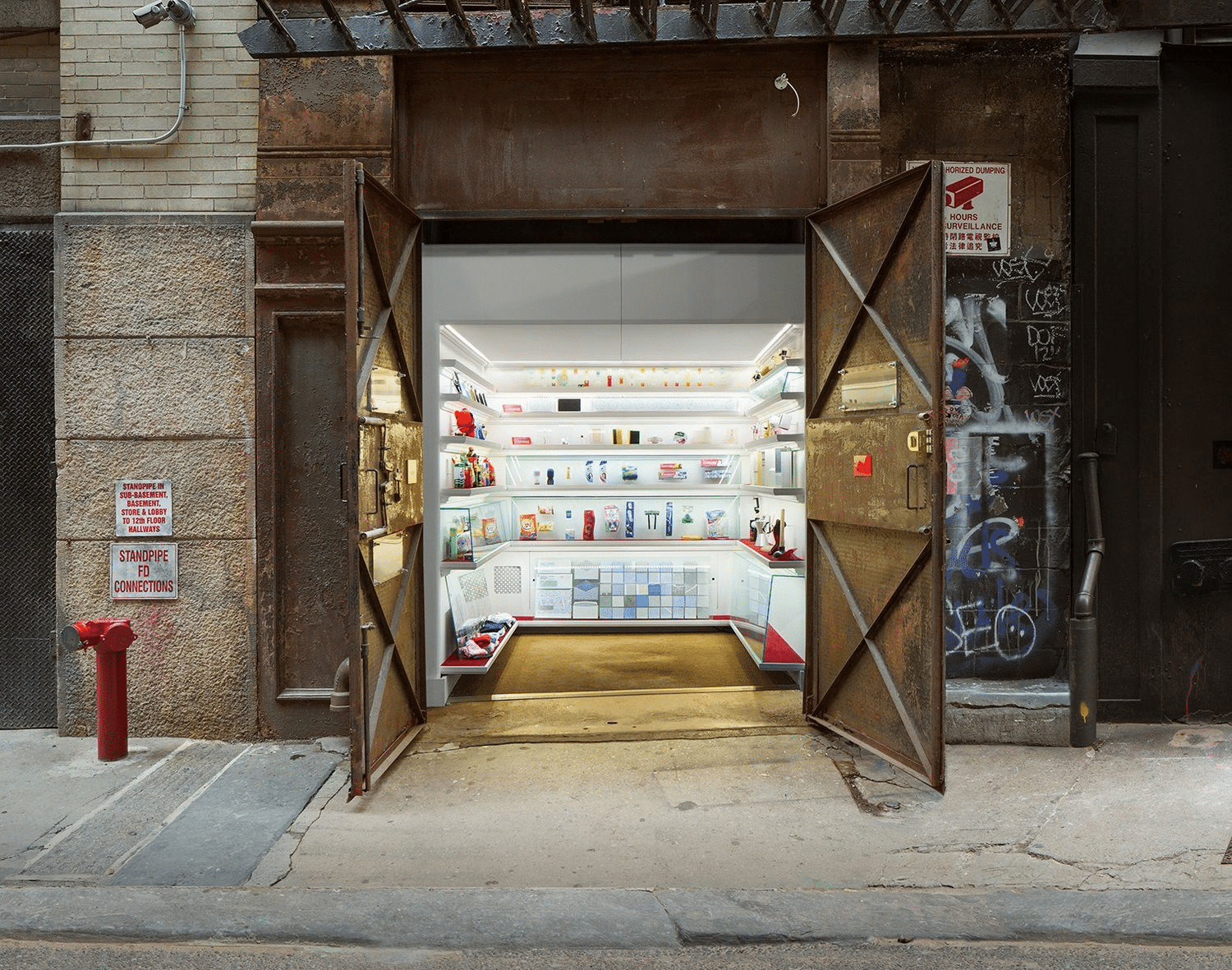
In a former freight elevator shaft tucked down an alley in Lower Manhattan, someone opened a museum. The opening is barely five feet wide, the exhibition space hardly larger than a coat closet. Mmuseumm displays curated everyday objects with serious conceptual intent: counterfeit luxury goods from around the world, cornflakes shaped like U.S. states, plastic jerricans from conflict zones.
It is absurd. It is earnest. It is one of the most genuinely interesting art projects New York has produced in recent years.
Interesting fact: Mmuseumm was founded in 2012 by filmmaker Alex Kalman. The double “m” in the name is intentional, one more quirk from an institution built entirely on them.
Practical tip: Open on weekends only, free admission. If you can’t make it during opening hours, a small window lets you peek at the exhibits from outside.
Address: 4 Cortlandt Alley, New York, NY 10013
6. The Elevated Acre: A Green Escape Above the Financial District
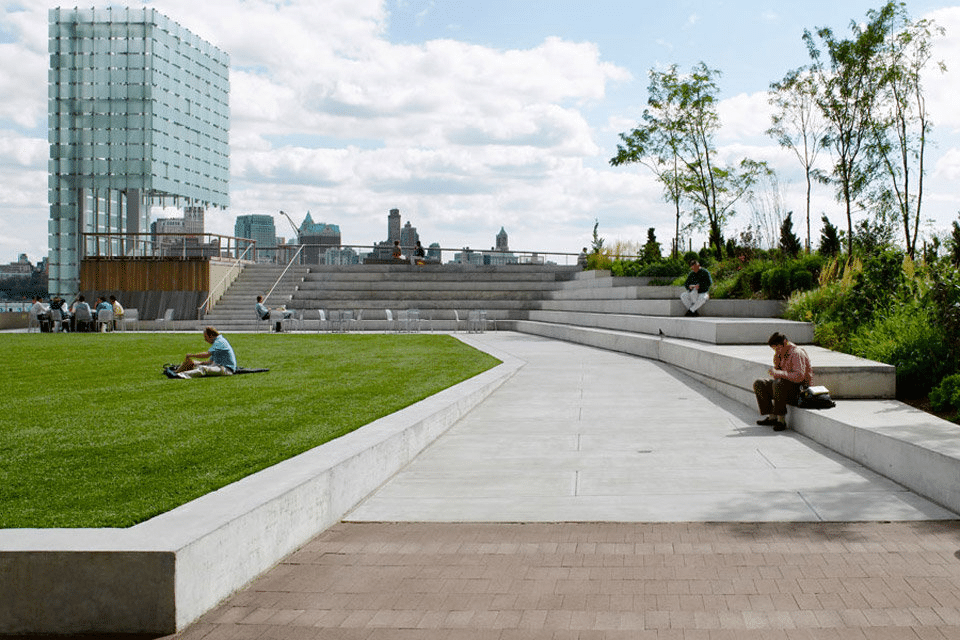
Perched above the streets of the Financial District sits a park that almost nobody knows about. The Elevated Acre, high above Water Street, is a generous green space with ornamental grasses, wooden decking, and an open view of the East River and the bridges beyond. No admission, no tourists, no lines.
At lunchtime, office workers from the surrounding towers come here to eat. After that, the place is largely yours. At golden hour, when the light falls over Brooklyn, this is one of the most beautiful vantage points in the entire city.
Practical tip: Access is via an escalator or elevator on the east side of 55 Water Street. From street level, it’s nearly invisible. Ask one of the building’s doormen, and they’ll point you in the right direction.
Address: 55 Water Street, New York, NY 10041
7. The Rooftop Garden of the Metropolitan Museum of Art
The Met needs no introduction. What most visitors never reach, however, is the rooftop. From May through October it opens to the public, and from up there you get one of the city’s most surprising views: Central Park at eye level, the skyline stretching behind it, and in between, rotating large-scale installations by international contemporary artists, each one commissioned specifically for this space.
The Cantor Roof Garden Bar serves cocktails and light bites. It’s not a cheap evening, but it’s the kind you’ll still be talking about years later.
Practical tip: Standard museum admission covers the rooftop. Arrive an hour before closing when crowds thin out and the light over Manhattan starts to shift. That’s when it looks exactly the way New York is supposed to look.
Address: 1000 Fifth Avenue, New York, NY 10028
8. Pomander Walk: A Slice of London on the Upper West Side
Tucked between 94th and 95th Streets on the Upper West Side lies a world that doesn’t belong in New York and yet has quietly existed here for almost a hundred years. Pomander Walk is a private cobblestone lane lined with two-story rowhouses in English Tudor style, window boxes full of flowers, and a path that leads straight into another era.
The development was built in 1921, named after a stage play, and quickly became popular with actors and writers. Humphrey Bogart reportedly lived here. So did Lillian Gish. Today the walk is private but clearly visible from the street, and the scene is always the same: complete stillness, twenty feet from the chaos of Broadway.
Practical tip: The walk sits between West End Avenue and Broadway. It’s at its best in spring when the window boxes are in full bloom. Photography from the street is entirely fine.
Address: 265 West 94th Street, New York, NY 10025
9. The Earth Room: 280,000 Pounds of Soil in SoHo
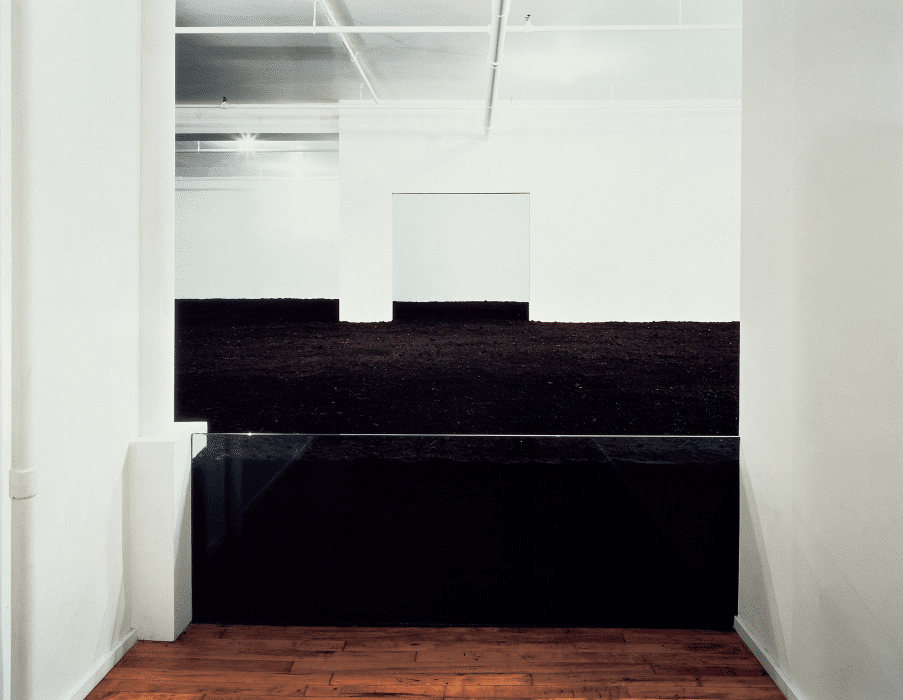
Walking down Wooster Street, you’ll spot an unassuming buzzer labeled “The New York Earth Room.” Ring it, head up to the second floor, and you’ll find yourself standing in front of a room filled entirely with 280,000 pounds of dark, moist soil. Nothing else. No explanation panel, no interactive element, no interpretive signage.
This art installation by American artist Walter De Maria has existed here since 1977, funded by the Dia Art Foundation. It was never intended as a permanent fixture, yet here it still stands. Someone comes regularly to water the soil, remove mushrooms, and trim the grass. The result is an intense smell of earth and a silence that feels genuinely surreal in the middle of SoHo.
Interesting fact: The soil is 22 inches deep and covers roughly 3,600 square feet. Admission is free, it has existed for nearly 50 years, and it remains one of the most unusual sights in New York.
Practical tip: Open Wednesday through Sunday, free admission. The room is smaller than you expect, and that is exactly what makes it so powerful.
Address: 141 Wooster Street, 2nd Floor, New York, NY 10012
10. The Abandoned City Hall Subway Station
Beneath the streets below City Hall lies an architectural gem that has been closed to regular service since 1945. The original City Hall station, which opened in 1904, was the most elegant station in the entire New York subway system: sweeping arches, intricately tiled walls, stained glass windows, and chandeliers from an era when underground transit was built with the pride of a grand railroad terminal.
Today it is officially off-limits. But anyone who stays on the 6 train when it turns around at Brooklyn Bridge will pass through the station without stopping. Through the windows, for just a few seconds, the vaulted ceilings appear, golden-lit, untouched, and perfectly intact.
Interesting fact: The New York Transit Museum occasionally runs exclusive guided tours of the closed station. Tickets sell out within minutes. Signing up for their newsletter is strongly recommended.
Practical tip: To catch a glimpse through the train window, simply stay seated on the 6 train past its final stop. The train loops through the station on its way back, and the brief view of those abandoned arches is absolutely worth it.
Address: Park Row and City Hall Park, New York, NY 10007
Planning Smart: How to Get the Most Out of These Hidden Gems
The Right Gear for a City Like New York
New York means walking. A lot of it. Ten, twelve, sometimes fifteen miles a day is realistic for anyone who wants to explore the city seriously. A good city travel backpack* is not a luxury here; it’s essential: lightweight, secure against pickpockets, with a laptop sleeve for the evenings when you end up working from a bar.
Anyone spending several days on the move should also consider a compact travel power bank*. Google Maps, Spotify, photos, and the occasional reservation app will drain a battery faster than the subway pulls into a station.
Staying Connected in New York
Free Wi-Fi in New York is more reliable than in most major cities, but there are gaps. Anyone who wants to stay consistently connected without running into roaming surprises is well served by an eSIM card*. It can be installed before you leave home and activates automatically when you land.
The Right Travel Guide to Bring Along
For a city this dense, a solid New York travel guide organized by neighborhood and covering cultural and culinary insider picks beyond the standard routes makes an excellent companion. Look for editions that go past the obvious and actually help you navigate each borough on its terms.
Interesting Facts: What Makes New York Truly One of a Kind
- New York City is made up of five boroughs. Manhattan has the smallest land area of all five but the highest population density in the entire United States.
- The city’s subway system has more than 470 stations and runs 24 hours a day, seven days a week, making it one of the few transit networks in the world that never closes.
- Central Park is so thoroughly surrounded by buildings that it functions as a standalone ecosystem, home to more than 200 bird species.
- The New York Public Library at Bryant Park holds over 55 million items in its collections, placing it among the largest libraries on earth.
- An estimated 800 languages are spoken in New York on any given day, more than in any other city in the world.
FAQ: Your Most Common Questions About Hidden Gems in New York
How do you find places in New York that aren’t in the guidebooks?
The most reliable sources are local platforms like Untapped New York and Atlas Obscura, both of which focus specifically on overlooked and unusual places. The app Spotted by Locals delivers curated recommendations from actual residents. Once you’re in the city, small independent cafés and bookstores are often your best resource for finding out which neighborhood is worth exploring right now.
Are the hidden spots in New York free to visit?
Many of the most interesting hidden gems in New York cost nothing at all. The Earth Room, Mmuseumm, the Elevated Acre, and the acoustic phenomenon at Grand Central Terminal are all completely free. Others, like the Morgan Library, charge a modest admission that is well worth it.
Which neighborhoods in New York are most interesting off the tourist trail?
Long Island City in Queens punches well above its weight with the Noguchi Museum and Socrates Sculpture Park. Red Hook in Brooklyn remains a genuine insider tip for restaurants and art spaces. Bushwick has become one of the most significant street art destinations in the United States over the past decade.
When is the best time to visit New York if you want to avoid the crowds?
January and February are quiet and cold, which significantly reduces lines at museums and major sights. Fall, especially October and November, is widely considered the best season by those who know the city well: the light is soft, temperatures are comfortable, and the city moves at a slightly more human pace.
How much time should you set aside to explore New York beyond the standard route?
At least four days, ideally a week. Anyone planning a three-day trip will almost inevitably stick to the highlights. It’s usually not until the fourth day that the city begins to reveal its quieter, more layered side.
New York is one of those cities you can visit multiple times and experience differently every single time. What changes is not the city. It’s the perspective you bring with you.
These ten hidden gems in New York are not a complete catalog. They are an invitation. An invitation to step into the phone booth, stay on the subway one stop longer, and climb the staircase even when there’s no sign telling you to.
Because the real New York begins exactly where the official one ends.