NYC Hidden Gems—4 Secret Highlights Off the Beaten Path

New York City needs no introduction. Times Square, the Statue of Liberty, the Empire State Building, Central Park—the list of world-famous attractions is long, and each one is worth seeing. But if you’ve been to New York before, or if you simply want to experience the city beyond the tourist trail, there’s another New York waiting for you. Quieter, more personal, and full of surprises.
These four NYC hidden gems fly under most visitors’ radar. That’s undoubtedly what makes them special.
1. Roosevelt Island—Cable Car and Calm in the Middle of the East River
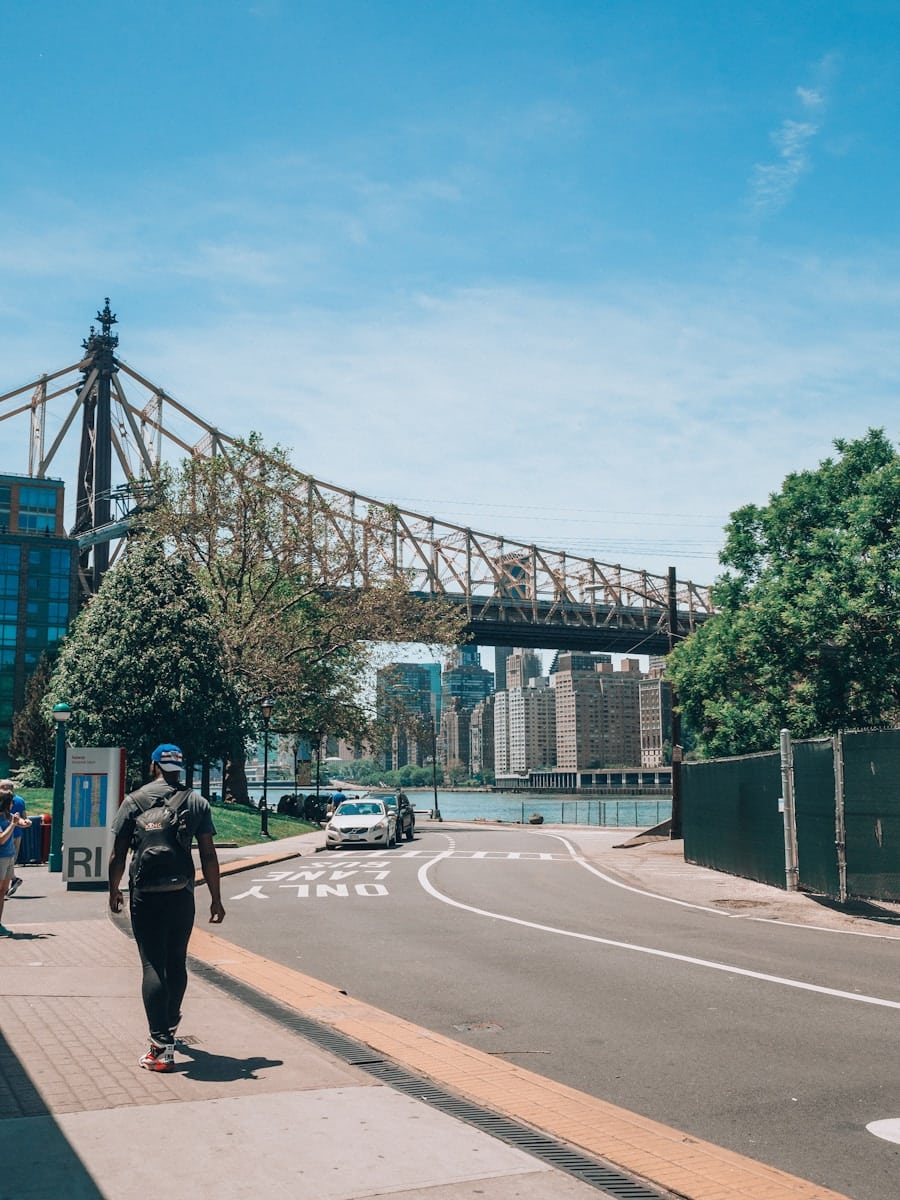
Roosevelt Island sits right between Manhattan and Queens—and feels like an entirely different city. A short ride on the Roosevelt Island Tramway, the only commuter aerial tramway in North America, gets you there in minutes. The ride across the East River with Manhattan’s skyline filling the window is already worth the trip on its own.
On the island itself, you’ll find an almost village-like quiet. Southpoint Park at the southern tip is a green retreat with unobstructed views of the bridges and Manhattan skyline—especially stunning at sunset. Strolling along the promenade, you’ll pass historic remnants that most New Yorkers have never seen: the Blackwell House from 1796, one of the oldest surviving farmhouses in New York City, and the hauntingly beautiful ruins of the Smallpox Hospital—a 19th-century Gothic Revival structure, deliberately preserved as a ruin.
Tip: The tramway station is located at 59th Street and 2nd Avenue in Manhattan. The fare is the same as a regular subway ride—just use your MetroCard.

Ad
2. Green-Wood Cemetery—Brooklyn’s Greatest Open-Air Museum
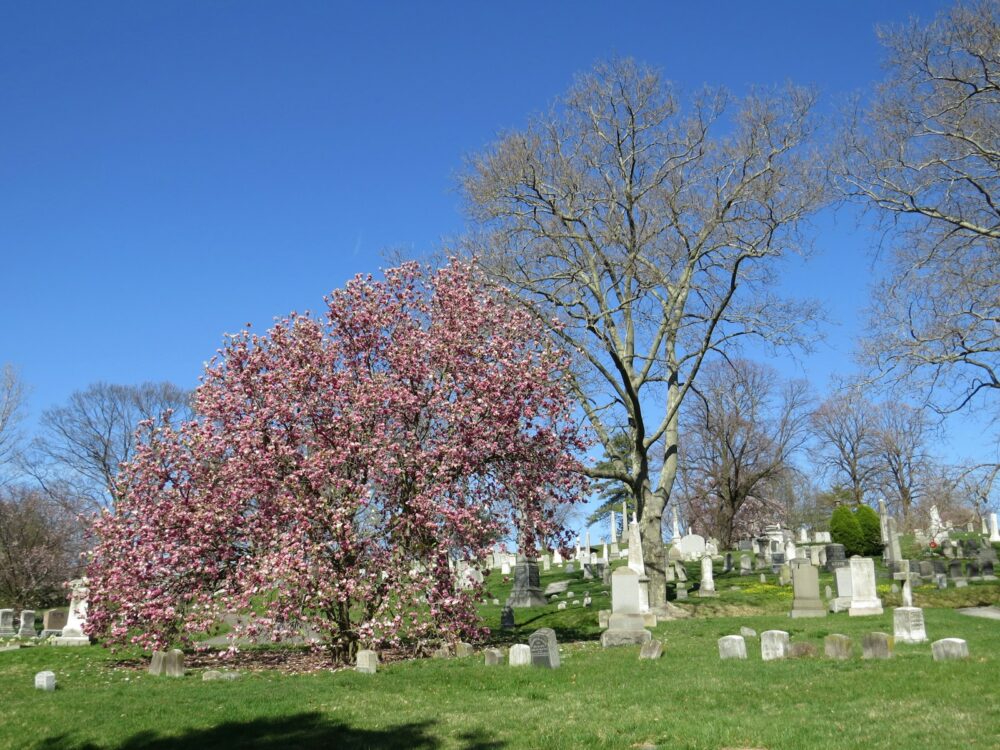
A cemetery as a hidden gem? It sounds unusual until you walk through the gates of Green-Wood Cemetery in Brooklyn. Opened in 1838, it was one of the most popular destinations in New York City before Central Park even existed. Today it’s a serene, sprawling nature park with rolling hills, ponds, and old-growth trees.
What makes Green-Wood Cemetery extraordinary is that it’s simultaneously a masterpiece of Victorian funerary art. Monumental mausoleums, elaborate sculptures, and historic grave sites tell the stories of the people who shaped New York—among them Boss Tweed, Leonard Bernstein, and Jean-Michel Basquiat.
In fall, when the foliage turns gold and crimson, the cemetery becomes a photographer’s dream. Guided tours run regularly, covering topics from architecture to famous residents to the site’s remarkable history.
Tip: The main entrance is at 500 5th Avenue in Brooklyn, near 25th Street, easily reached by subway (R/W train, 25th Street station). Admission is free.
3. The MET Cloisters—Medieval Europe in Upper Manhattan
If you know the Metropolitan Museum of Art, you may not know its second location: The Cloisters in Fort Tryon Park, at the northern tip of Manhattan. The building itself is a work of art—assembled from actual pieces of medieval European monasteries transported from France and Spain to New York in the early 20th century.
The collection holds over 2,000 works of art from medieval Europe: tapestries, ivory sculptures, illuminated manuscripts, and Romanesque capitals. The most celebrated pieces are the Unicorn Tapestries—seven Flemish tapestries from the late 15th century, considered among the most significant surviving textiles in the world.
Beyond the galleries, the interior courtyards with their medieval herb and flower gardens offer an almost meditative calm. And the views of the Hudson River and the New Jersey Palisades are as good as any in the city.
Tip: The Cloisters is located in the far north of Manhattan, reachable by subway (A train to 190th Street). Admission is included with a regular MET ticket. Budget at least two hours.
4. City Island – A New England Fishing Village in the Bronx

City Island is technically in the Bronx, but it feels like coastal New England. This small island in Long Island Sound has held onto the character of a 19th-century fishing village: wooden houses, a single main street, boats in the harbor, and some of the freshest seafood in the entire city.
The island was once a major center of American boatbuilding—several yachts that won the America’s Cup were built here. The City Island Nautical Museum tells that story, and wandering through the side streets turns up old boatyards and maritime relics from another era.
But honestly, the main reason to visit is the food. The seafood restaurants on City Island are among the best and most relaxed in New York. Fresh lobster, shrimp, and clams—at prices that feel more like Maine than Manhattan.
Tip: City Island is accessible by bus (BX29 from Pelham Bay Park station, subway line 6). By car from Midtown Manhattan, it’s about 45 minutes. The best plan: arrive for lunch, eat well, walk around, and head back.
Why These Four?
What connects these four places is simple: they’re all in New York City, but none of them feel like it. A cable car over the East River, a Victorian park-cemetery, a medieval monastery, and a fishing village in the Bronx—New York is bigger, more varied, and more surprising than most visitors ever discover.
See these four places, and you’ll know a side of the city that most tourists miss entirely. And that side is every bit as unforgettable as Times Square.
FAQ: NYC Hidden Gems
How do I get to these places without a car?
All four are reachable by public transit. The Roosevelt Island Tramway costs the same as a subway ride. Green-Wood Cemetery and The Cloisters are free or covered by existing museum tickets. City Island requires a bus connection from the end of subway line 6, but it’s straightforward.
When is the best time to visit?
Roosevelt Island and City Island are great year-round—lively in summer, atmospheric in fall. Green-Wood Cemetery is spectacular in autumn. The Cloisters is worth visiting in any season, but weekdays are noticeably quieter.
Are these places good for kids?
Roosevelt Island and City Island are excellent for families. The Cloisters works well for older kids and teenagers with an interest in history. Green-Wood Cemetery is great for curious kids who enjoy nature and stories about the past.
How much time should I set aside?
Roosevelt Island: 1.5–2 hours, including the tram ride. Green-Wood Cemetery: 1.5–2 hours for a proper walk. The Cloisters: 2–3 hours. City Island: half a day if you include a proper seafood lunch.